Learning Outcomes

Identify how transfer pricing decisions affect internal transactions and coordination between business divisions.

Evaluate different transfer pricing methods and their impact on divisional performance and group profitability.




Earn CPE Credits!
Earn CPE Credits!
Understand how transfer pricing decisions influence divisional performance and overall group profitability. This course explains internal pricing approaches, evaluates opportunity cost implications, and examines how market conditions affect internal transactions across decentralized business structures.
Analyze transfer pricing methods used between divisions
Evaluate internal trading decisions using market-based factors
Assess impact of transfer pricing on divisional autonomy
Interpret profitability effects across business units
Apply transfer pricing concepts in structured scenarios


Compare market-based, cost-based, and negotiated transfer pricing approaches used to manage internal transactions between business units.
Assess how internal supply choices affect opportunity costs, resource allocation, and efficiency across divisions.
Understand how transfer pricing policies influence responsibility accounting and performance measurement in multi-division firms.
Interpret how external market availability affects pricing decisions for intermediate goods within organisations.
Analyze how transfer pricing decisions influence overall organisational profitability and coordination between departments.
Evaluate how pricing structures affect managerial incentives, autonomy, and cooperation across divisions.
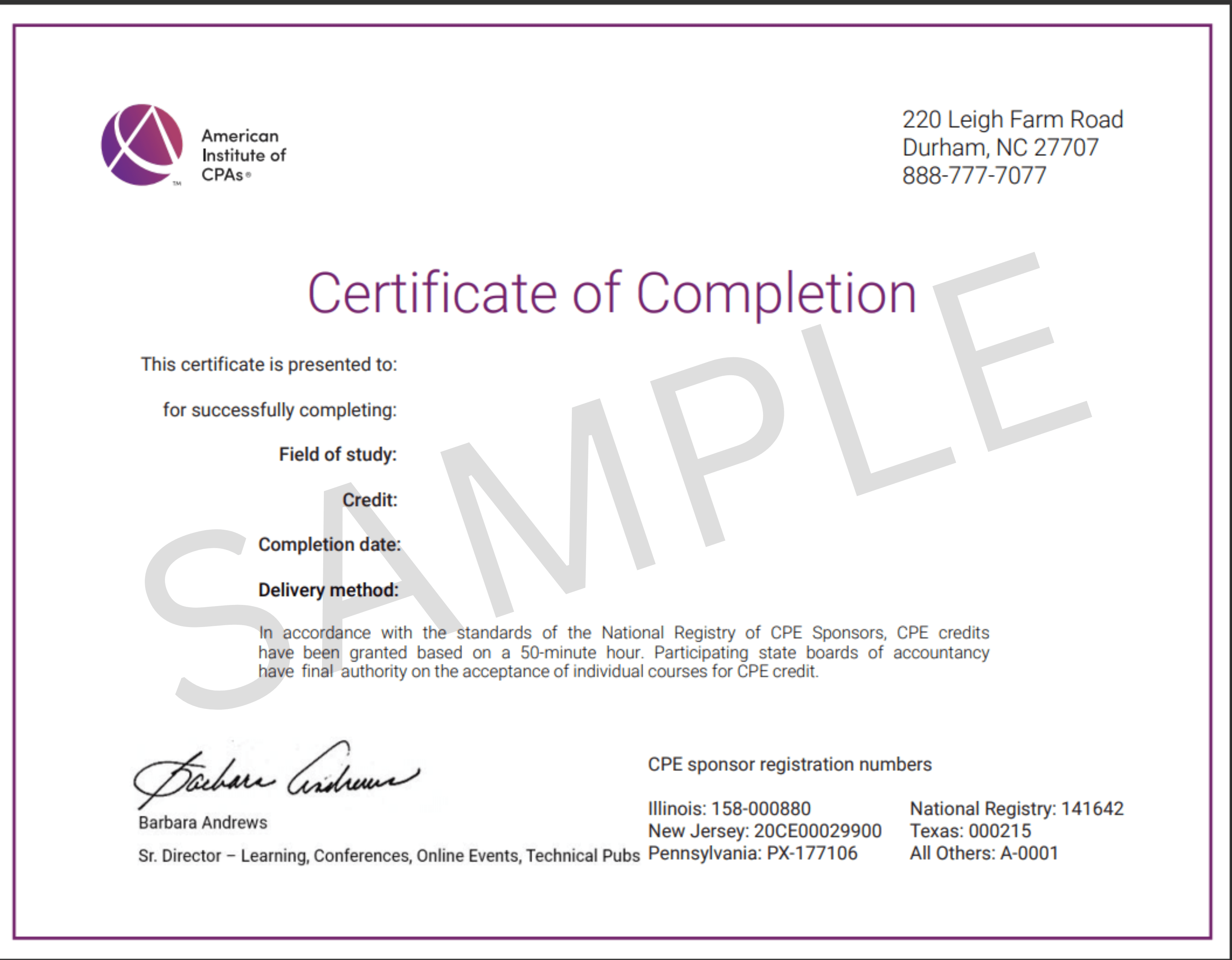
Get a preview of your achievement with Demo Certificate - a glimpse of the credential you’ll earn after successfully completing the program.
Developed by experienced finance and management professionals with practical expertise in budgeting, forecasting, and operational planning across business environments.
Content designed by subject matter experts associated with international accounting bodies, ensuring relevance, accuracy, and application in real-world financial contexts.
What Skills Will I Gain?

Develop the ability to evaluate transfer pricing methods, assess internal trading decisions, and interpret their impact on divisional performance and group profitability.
How Is the Program Delivered?
The course is delivered online as a self-study program with structured content and practical scenario-based exercises.
Who Should Enroll?
Designed for finance professionals, management accountants, controllers, and business leaders involved in internal performance evaluation and pricing decisions.
What Topics Are Covered?
Covers transfer pricing methods, internal trading scenarios, divisional autonomy, market-based pricing conditions, and profitability evaluation across business units.
How Many CPE Credits Are Offered?
Participants earn 2 CPE credits upon successful completion of the course.
What Is the Program Level and Field of Study?
Advanced level. NASBA Field of Study: Finance and Management.