
Identify major global legal system types and their practical application in dispute and forensic accounting contexts

Evaluate court structures, procedural rules, and evidentiary requirements relevant to investigations and litigation support




Earn CPE Credits!
Earn CPE Credits!
Understanding how legal systems operate across jurisdictions is essential for forensic and accounting professionals working with disputes, investigations, and compliance matters. This course explains the structure, purpose, and functioning of major legal frameworks, including civil and common law traditions, rules of evidence, court procedures, and dispute resolution mechanisms used in cross-border and domestic contexts.
Identify the structure and purpose of major global legal systems
Differentiate between civil law, common law, and mixed legal traditions
Understand court hierarchies, procedural rules, and evidentiary standards
Recognize the role of ADR mechanisms in resolving disputes efficiently
Apply legal system concepts within forensic and compliance engagements

Examine civil, common, and mixed legal systems and understand how their structures influence legal interpretation and dispute processes.
Understand how courts are organized across jurisdictions and how authority and case flow differ between legal environments.
Learn how evidentiary standards shape litigation support work and affect documentation, analysis, and reporting responsibilities.
Review key procedural concepts that govern dispute progression, filings, hearings, and case resolution timelines.
Understand mediation, arbitration, and other ADR approaches used to resolve disputes efficiently outside traditional court processes.
Differentiate how public and private law frameworks apply to investigations, regulatory matters, and dispute-related engagements.
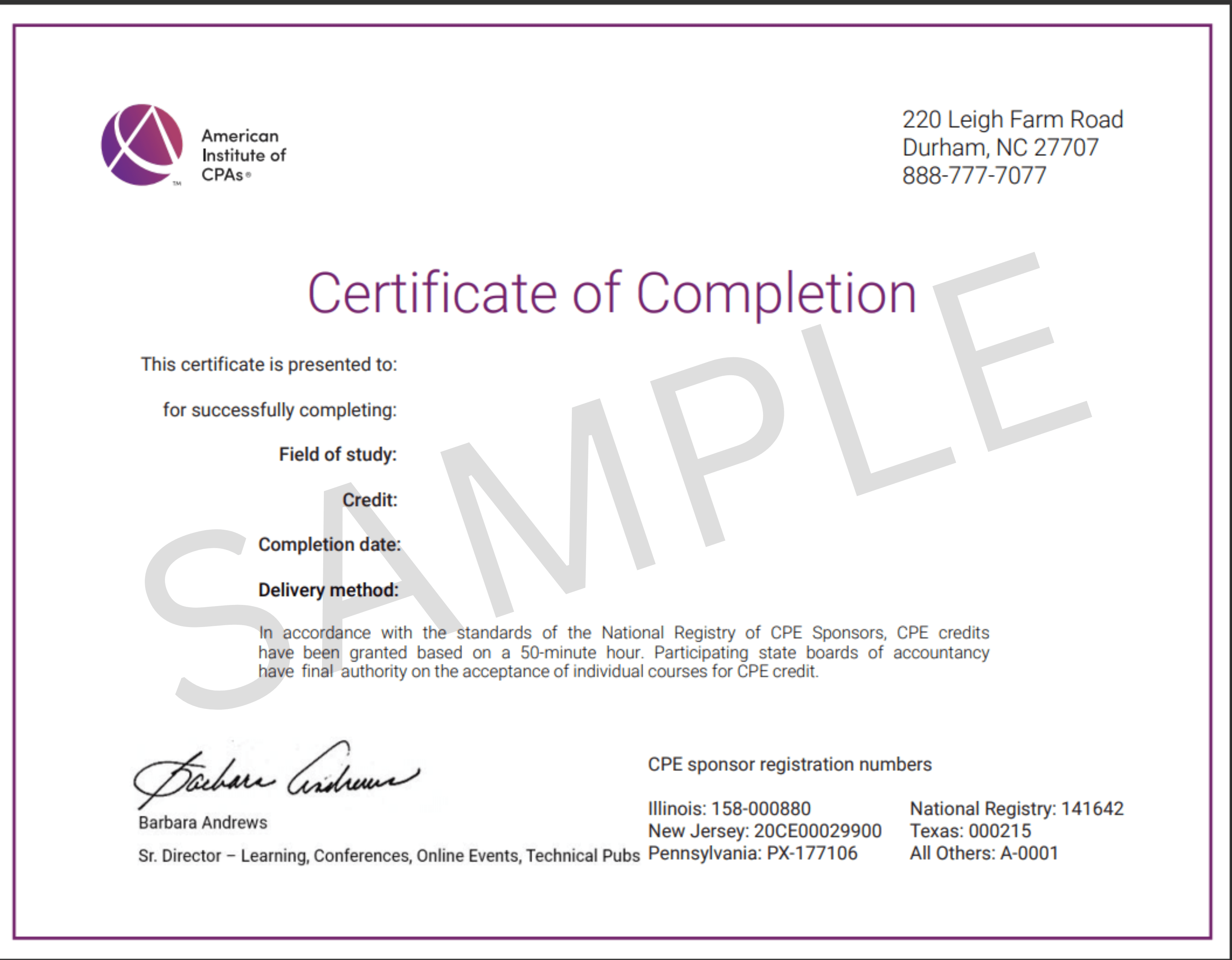
Get a preview of your achievement with Demo Certificate - a glimpse of the credential you’ll earn after successfully completing the program.
Nathan Fan is a subject matter contributor in forensic accounting education with experience supporting professional learning initiatives related to legal systems, dispute resolution, and investigative frameworks. His work focuses on helping practitioners understand how legal structures and procedural environments influence forensic engagements.
Adam Rabinowitz contributes to professional training content that explains court systems, evidentiary standards, and dispute resolution mechanisms relevant to accounting and compliance professionals. His instructional approach emphasizes practical understanding of legal frameworks used in forensic and regulatory contexts.
What skills will I gain?
You will understand global legal system structures, court procedures, evidentiary standards, and dispute resolution methods relevant to forensic and compliance-related engagements.
How is the program delivered?
The course is delivered online in a self-study format, allowing participants to complete modules at their own pace within the access period.
Who should enroll?
This course is designed for professionals involved in forensic accounting, compliance, investigations, and dispute support who require knowledge of legal system frameworks.
What topics are covered?
Topics include types of legal systems, court structures, procedural rules, evidentiary standards, public versus private law distinctions, and alternative dispute resolution methods.
How many CPE credits are offered?
The course provides 4 CPE credits upon successful completion.
What is the program level and field of study?
The program level is Basic and the NASBA field of study is Regulatory and Compliance.